

Tips for Choosing a Wedding Venue

How to Choose a Wedding Venue in the UK
Choosing where to hold your wedding — whether at home in a marquee or at a dedicated venue — is one of the most important decisions you’ll make for your special day.
With so many beautiful and unique spaces to consider, from historic country estates and Gothic villas to intimate home settings and airy glasshouse venues, finding the right location can feel overwhelming. In this post, we share practical tips to help you select the ideal setting for your wedding celebration in the UK.
We cover everything you need to think about when choosing a wedding venue, from budget, style, and guest capacity to supplier policies and logistical considerations, so you can plan with confidence.
Your Guide to Choosing the Perfect Wedding Venue
Determine your Wedding Budget
Before you start looking at venues, it's important to have a wedding budget in mind for your big day. Wedding venues in the UK can vary widely in price, so knowing how much you can afford will help narrow down your options. It's also a good idea to factor in other costs such as wedding catering, flowers, photography, videography and entertainment when setting your budget.
2. Decide on your Wedding Style
The style of your wedding will also influence your choice of venue. Are you dreaming of an elegant wedding in the countryside, a greenhouse wedding or a celebration in the city? Consider what type of atmosphere you want to create and choose a wedding venue that complements that style.
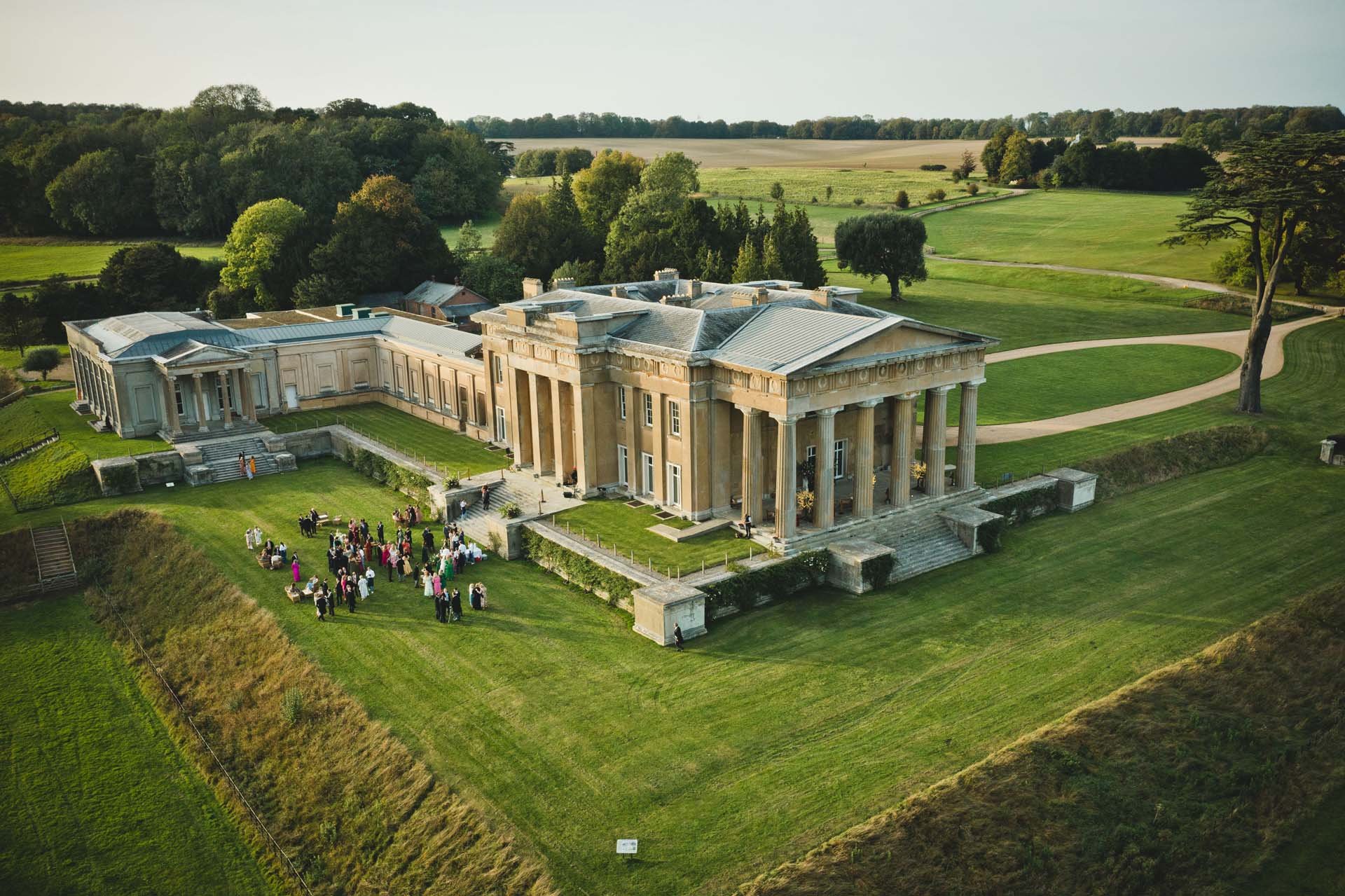
At Peapod & Co., we work with a collection of elegant country estates, gothic and historic homes, outdoor venues, and beautifully restored spaces across the South of England — each offering a unique backdrop for weddings and engagement parties.
3. Determine your Guest List
The size of your guest list will help determine the event venue you need. Choose a venue that can comfortably seat all of your guests for dinner without feeling cramped. Depending on your format, also check for additional space for an indoor or outdoor drinks reception, entertainment, dancing, bar area, and coat storage.
If holding a civil ceremony at the venue, check the venue’s capacity for both the ceremony and reception. If holding a church service locally, confirm the church’s seating capacity.
4. Consider the Location and Season
As they say when buying a house: location, location, location. Think about how easy it will be for your guests to get to your wedding, especially if many are travelling from afar. Choose a venue that’s accessible and ideally close to a train station and accommodation. Take the season and likely weather into account, and check whether the venue offers indoor, outdoor, or marquee options to suit your plans.
Tip: Make sure local hotels, B&Bs, and Airbnb properties have availability for your guests on your date.

5. Visit Multiple Event Venues
Once you have a list of potential venues, it's time to discuss availability and schedule visits. Make sure to check availability of your local church or registrar to make sure they too can do your preferred date.
Visiting a venue in person is the best way to get a sense of its atmosphere and determine whether it's suitable for your wedding. During your visit, take note of the venue's operating hours, capacity, access, layout, facilities, and check whether there is enough space for the wedding reception, dinner, catering kitchen, dancing and bar area.
6. Ask Important Questions
Don't be afraid to ask important questions to the wedding venue about its policies, on-site staff, deposit, catering facilities, guest parking and preferred suppliers. Top questions to ask:
Ask about exclusivity of the venue. Find out if there will be any other events or meetings on the day and whether you will have exclusive use of the venue and rooms.
Check whether there is a corkage charge and whether the caterer can provide the bar services
Always ask the venue if it has any music restrictions and whether it has a noise limiter.
Confirm guest and supplier parking arrangements — how many vehicles can the car park accommodate, and are there alternative options nearby for overflow parking?

7. Consider any Extras
Many wedding venues in the UK offer a range of extras that can enhance your celebration and simplify the planning process. These might include decorations, lighting, furniture, coat racks, tableware, sound systems, dance floors and accommodation.
When reviewing your options, check what’s included in your venue hire and what may come at an additional cost. Some venues provide preferred supplier lists, while others may require external caterers.
At Peapod & Co., we work closely with each venue to ensure every detail is covered. Our team provides a dedicated on-site event manager and professional service staff to oversee your celebration from setup to final toast.
8. Make your Decision
After visiting several UK wedding venues and comparing your options, it’s time to make your decision. Choose the venue that best fits your preferred dates, budget, style, and guest list — and most importantly, the one you can truly imagine celebrating your special day in.
Be sure to book early to secure your date, as most venues require a deposit to confirm your booking. With so many wonderful possibilities across the UK, there’s something for every couple.
By following these tips, taking your time, and asking the right questions, you’ll be well on your way to finding the perfect setting to say “I do.”
Happy Wedding Planning!